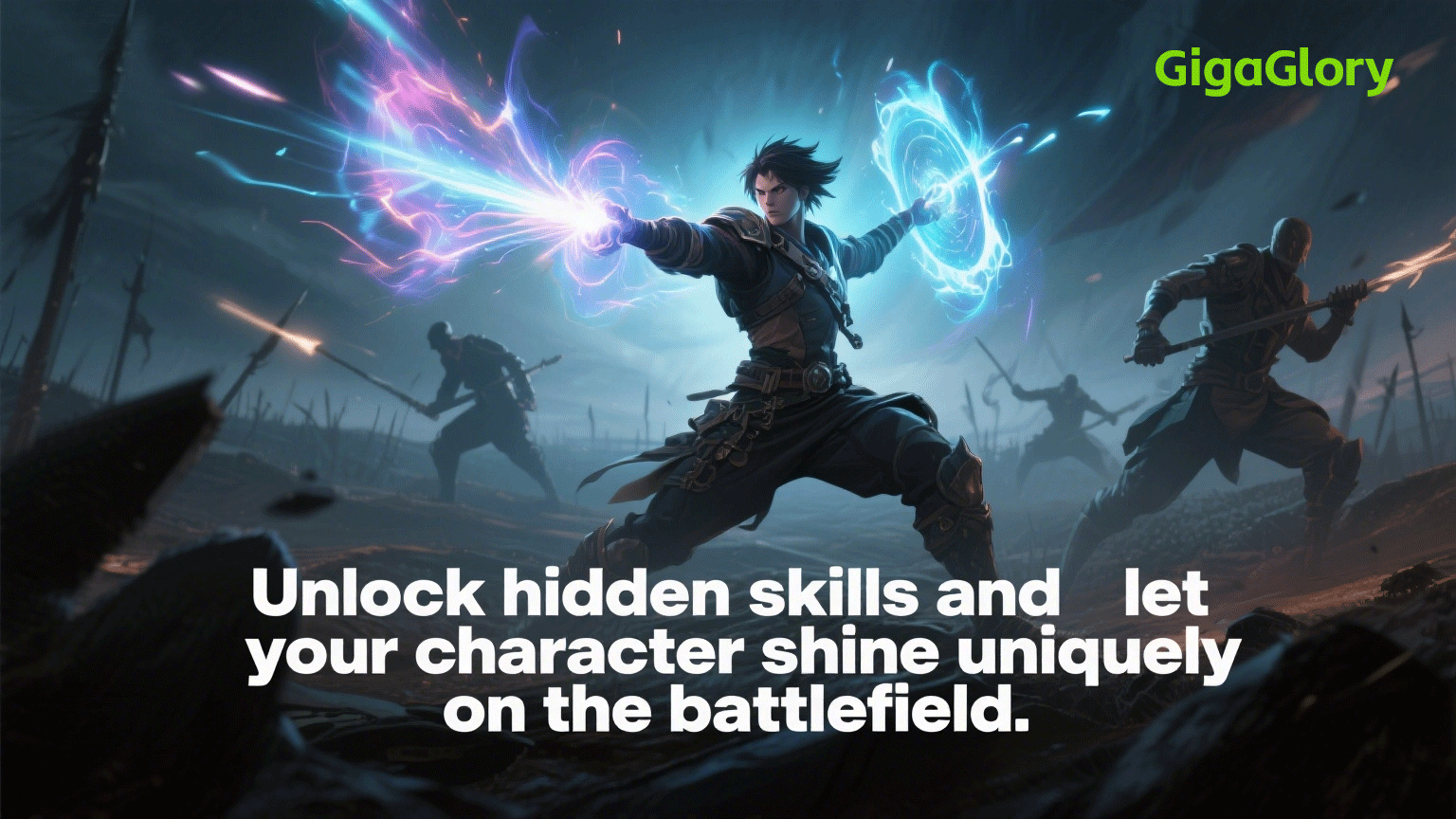
Unlocking Potential: How Educational Strategy Games Enhance Learning and Critical Thinking
In today's fast-paced world, the importance of engaging educational tools cannot be overstated. Among these tools, strategy games have emerged as powerful vehicles for enhancing learning and critical thinking skills. This article will explore how educational games, particularly strategy-based ones, are shaping the future of education.
The Rise of Educational Games
Over the past few years, there's been a notable shift in educational methodologies. Traditional methods, while foundational, often fail to engage the modern learner. Enter educational games—not just for fun, but as serious learning tools that captivate and stimulate the mind.
What Are Educational Strategy Games?
These games are designed to promote learning through strategy and decision-making. By placing players in scenarios that require problem-solving and critical thinking, they become immersive learning experiences. Let's differentiate them from typical games:
- Educational Games: These are aimed at teaching concepts, such as mathematics or history.
- Strategy Games: These involve a greater emphasis on planning and foresight, requiring players to think critically about their choices.
Benefits of Educational Strategy Games
Implementing games in education comes with a plethora of benefits:
- Enhanced Engagement: Interactive games keep students motivated.
- Improved Critical Thinking: Players develop skills in analysis and forecasting.
- Collaboration Opportunities: Many strategy games are designed for team play, fostering teamwork.
- Immediate Feedback: Players receive instant outcomes that help them learn from their decisions.
Examples of Popular Educational Strategy Games
| Game Title | Target Age Group | Learning Outcomes |
|---|---|---|
| Catan | 10+ | Resource Management, Trade |
| Age of Empires | 12+ | History, Strategy, Leadership |
| Risk | 14+ | Geography, Strategy, Diplomacy |
Strategy Games vs. Traditional Educational Methods
When comparing strategy games to traditional educational methods, the differences become stark.
- Engagement Levels: Games often create a playful atmosphere, while traditional methods may feel more rigid.
- Learning Pace: Strategy games allow learners to progress at their own pace, in contrast to preset curriculum timelines.
- Practical Application: Gaming scenarios often resemble real-world challenges, enabling practical learning.
Case Studies: Success Stories
Schools across the globe are adopting strategy games with remarkable success. For instance, a high school in Latvia integrated strategy games into their curriculum. The result? A 30% improvement in student engagement and a notable spike in critical thinking skills. Here are a few more cases to consider:
- Elementary schools using Minecraft: Education Edition saw a boost in teamwork and creativity.
- A university introduced board games as part of their business strategy course, leading to improved analytical skills among students.
How to Choose the Right Educational Strategy Games
Selecting the best games for your educational purposes requires consideration of various factors:
- Age Appropriateness: Ensure the game suits the intended age group.
- Learning Outcomes: Identify what skills or knowledge the game aims to teach.
- Player Engagement: Opt for games that are interactive and fun.
Integrating ASMR Games into Education
Another interesting trend is the rise of ASMR games to play as a tool for relaxation and mental focus. These games can be an excellent way to reset the brain during study sessions, enhancing cognitive performance when returning to strategy games.
Parental and Educational Perspectives
Parents' concerns often revolve around screen time and its impact on their children. However, research shows that educational games provide substantial benefits, making them a worthy investment of time. Educators should advocate for a balanced approach, incorporating these games meaningfully into the learning environment.
Possible Drawbacks
While there are many advantages, there are potential downsides too. Over-reliance on games can lead to:
- Distraction: Some students may lose focus due to the fun nature of games.
- Imbalanced Skills Development: Over-emphasis on gaming may overshadow traditional learning.
Conclusion
In the landscape of modern education, the incorporation of educational strategy games has great potential to unlock student potential. By providing interactive and engaging platforms for learning, these games enhance critical thinking skills and foster a love for learning. As we journey further into the digital age, balancing these educational tools with traditional methods will be critical for holistic development in learning.